Which Type of Material Is Used to Make Seals?
Seals are essential components used in industrial machinery, pumps, compressors, automotive systems, and manufacturing equipment to prevent leakage between moving and stationary parts. Choosing the correct material for a Mechanical Seal is critical because it directly affects sealing performance, durability, chemical resistance, and equipment lifespan.
Different sealing applications require different materials depending on operating temperature, pressure, fluid type, and environmental conditions. As a professional sealing manufacturer, Hongcan provides high-quality sealing solutions designed for a wide range of industrial applications.
In this article, we will explore the most common materials used to make mechanical seals and how each material contributes to seal performance.
What Is a Mechanical Seal?
A Mechanical Seal is a sealing device used to stop fluids or gases from leaking in rotating equipment such as pumps and mixers. Mechanical seals are widely preferred over traditional packing seals because they provide:
· Better sealing efficiency
· Lower maintenance costs
· Reduced friction and wear
· Improved equipment reliability
A mechanical seal usually contains several parts, including:
· Seal faces
· Elastomers
· Springs
· Metal components
Each part requires carefully selected materials to ensure optimal performance.
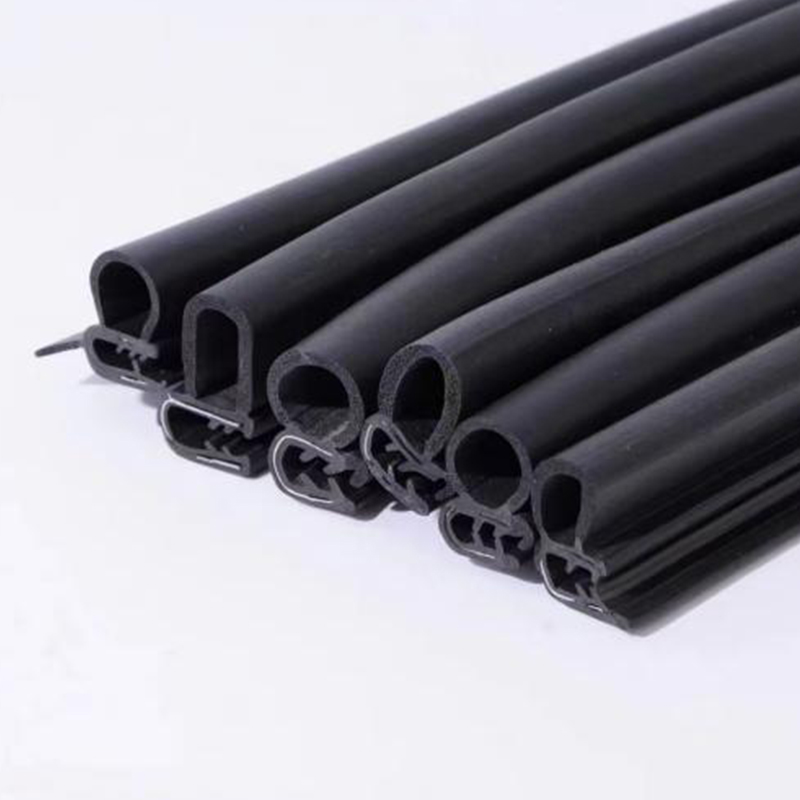
Common Materials Used in Mechanical Seals
Carbon Graphite
Carbon graphite is one of the most commonly used seal face materials in the sealing industry.
Why Carbon Graphite Is Popular
Carbon graphite has excellent self-lubricating properties, making it suitable for applications where lubrication may be limited.
Main Advantages
· Low friction coefficient
· Good thermal conductivity
· Excellent wear resistance
· Suitable for dry-running conditions
Typical Applications
· Water pumps
· Chemical pumps
· Food processing equipment
Carbon graphite is often combined with harder materials such as silicon carbide or tungsten carbide to improve sealing efficiency.
Silicon Carbide (SiC)
Silicon carbide is considered one of the best materials for high-performance Mechanical Seal applications.
Benefits of Silicon Carbide
Outstanding Hardness
Silicon carbide is extremely hard and highly resistant to abrasion.
Excellent Corrosion Resistance
It performs well in aggressive chemicals, acids, and corrosive fluids.
High Temperature Resistance
SiC can operate efficiently under extreme temperatures and pressure conditions.
Industries That Use Silicon Carbide Seals
· Chemical processing
· Petrochemical industries
· Wastewater treatment plants
· Mining equipment
Because of its durability and long service life, silicon carbide is widely used in demanding industrial environments.
Tungsten Carbide
Tungsten carbide is another durable material commonly used in seal faces.
Characteristics of Tungsten Carbide
· High mechanical strength
· Exceptional wear resistance
· Good shock resistance
· Suitable for high-pressure systems
Compared to silicon carbide, tungsten carbide is less brittle, making it ideal for applications involving vibration or heavy mechanical loads.
Common Applications
· Oil and gas pumps
· Industrial compressors
· Heavy-duty machinery
Hongcan manufactures tungsten carbide-based sealing products for industries requiring reliable long-term performance.
Ceramic Materials
Ceramic is a cost-effective material frequently used in standard sealing applications.
Advantages of Ceramic Seals
Affordable Cost
Ceramic is less expensive compared to carbide materials.
Smooth Surface Finish
It provides low friction and stable sealing performance.
Corrosion Resistance
Ceramic performs well in water and mild chemical environments.
Limitations of Ceramic
Although ceramic is resistant to corrosion, it is more brittle than carbide materials and may crack under heavy impact.
Common Uses
· Household water pumps
· HVAC systems
· Light industrial equipment
Stainless Steel in Mechanical Seals
Metal components such as springs, retainers, and housings are often made from stainless steel.
Popular Stainless Steel Grades
SS304
Used for general industrial applications with moderate corrosion resistance.
SS316
Provides improved resistance to chemicals, seawater, and harsh environments.
Benefits of Stainless Steel
· High structural strength
· Corrosion resistance
· Long service life
· Heat resistance
Stainless steel ensures the mechanical integrity of sealing systems during operation.
Elastomer Materials Used in Seals
Elastomers are flexible materials used for secondary sealing elements such as O-rings and gaskets.
Nitrile Rubber (NBR)
NBR is widely used because of its good oil resistance and affordability.
Applications
· Hydraulic systems
· Oil pumps
· Industrial machinery
EPDM
EPDM offers excellent resistance to hot water, steam, and weather conditions.
Common Uses
· Food processing
· Water treatment systems
· HVAC equipment
Viton (FKM)
Viton is known for its excellent chemical and heat resistance.
Advantages
· Suitable for high temperatures
· Resistant to aggressive chemicals
· Long-lasting performance
PTFE (Teflon)
PTFE is used in highly corrosive applications because of its exceptional chemical compatibility.
Benefits
· Extremely low friction
· Wide temperature range
· Excellent chemical resistance
Factors to Consider When Choosing Seal Materials
Selecting the right Mechanical Seal material depends on several important factors.
Fluid Compatibility
The seal material must resist corrosion and chemical attack from the operating fluid.
Operating Temperature
High-temperature applications require heat-resistant materials such as silicon carbide and Viton.
Pressure-temperature applications require heat-resistant materials such as silicon carbide and Viton.
Pressure Conditions
Heavy-duty systems may require tungsten carbide and stainless steel components.
Abrasive Environment
Applications involving slurry or solid particles need highly wear-resistant materials.
Working with experienced manufacturers like Hongcan can help businesses choose the most suitable material combination for their equipment.
Why High-Quality Seal Materials Matter
The quality of seal materials directly impacts industrial equipment performance.
Poor-quality materials can cause:
· Seal leakage
· Frequent maintenance
· Equipment downtime
· Increased operating costs
High-quality sealing materials improve reliability, reduce maintenance frequency, and extend equipment lifespan.
Conclusion
Many different materials are used to manufacture mechanical seals, including carbon graphite, silicon carbide, tungsten carbide, ceramic, stainless steel, and elastomers like NBR, EPDM, Viton, and PTFE. Each material offers unique advantages based on operating conditions and industrial requirements.
Choosing the correct Mechanical Seal material is essential for ensuring reliable sealing performance and long equipment life. With advanced manufacturing capabilities and industry expertise, Hongcan provides dependable sealing solutions for a wide range of industrial applications worldwide.

评论
发表评论